
2023 Tax Controversy Seminar Series
This on-demand and live tax law series offers practical guidance on substantiating deductions, proving entitlement to losses, domestic and international tax controversies, U.S. Tax Court trial procedures, the Federal Rules of Evidence, ethics in tax practice, and the role of expert witnesses, providing essential insights for tax professionals.
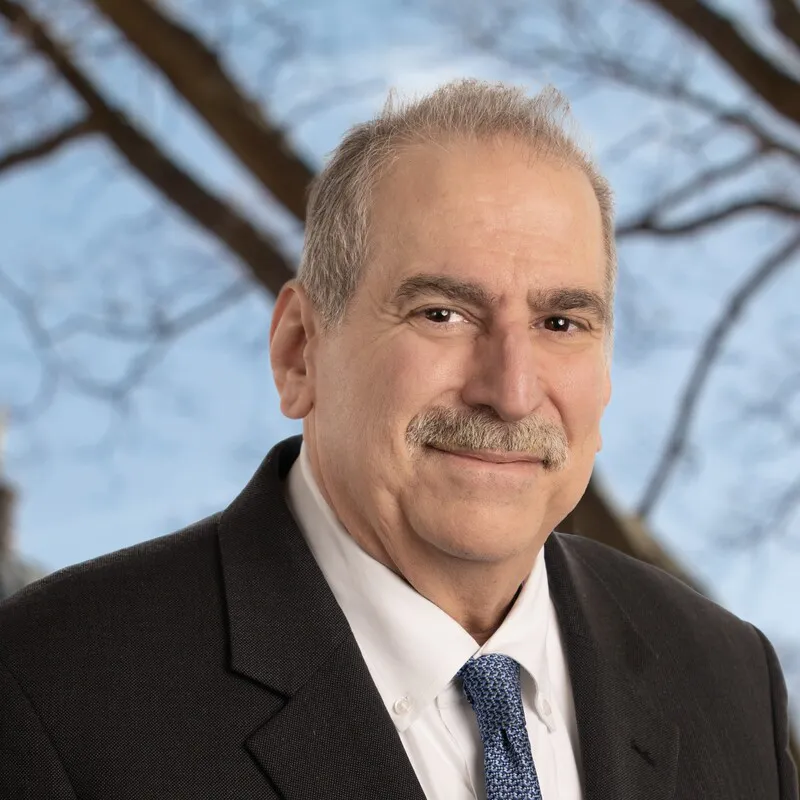
Frank Agostino
,
Esq.
Frank Agostino is one of the most accomplished tax controversy attorneys in the country, with more than four decades of litigation experience and a string of landmark victories that have reshaped IRS enforcement and Tax Court procedure — including Commissioner v. Zuch before the U.S. Supreme Court (2025) and Chai v. Commissioner in the Second Circuit (2017).
Because of Frank’s stellar reputation in the tax bar, he has been ranked in Chambers in Band 1 for Tax: Fraud Nationwide (USA) and in Band 1 for High Net Worth Private Client: Tax.
A former IRS District Counsel attorney and Special Assistant U.S. Attorney, Frank has also taught tax controversy at Seton Hall and Rutgers Law, and currently serves on the Advisory Board of the Journal of Tax Practice and Procedure.

John Sheeley
,
EA, LTC
John began his tax career in 1987 and passed the IRS Special Enrollment Exam in 1995. A National Tax Practice Institute fellow and SUNY Oswego graduate, he specializes in taxation for non-resident aliens, U.S. citizens living abroad, S corps, legal marijuana businesses, and cryptocurrency.
John is passionate about giving back to the profession. Every year on Giving Tuesday, Tax Practice Pro offers a free ethics webinar, and its weekly Tax Update webinars keep tax professionals informed on the latest developments. These programs combine practical guidance, strategies, and insights to help practitioners work smarter, faster, and with confidence.
Whether you’re just starting your career or expanding an established practice, Tax Practice Pro and John Sheeley, EA provide the education, coaching, and community support tax professionals need to succeed.

Adel Madbouly
,
CPA, EA
Recommended Webinars
Tax Audit and Representation Series
32 IRS/32 NASBA CPE Credits Available
Tax Practice Pro’s IRS Representation & Controversy Webinar Series provides tax professionals with on-demand, IRS/NASBA CE-approved training on Forms 2848 and 8821, penalty abatement, audits, collections, transcript analysis, Tax Court procedures, ERC exams, passport revocation issues, FOIA requests, and practical IRS defense strategies.

Taxation of Investment Income Mini-Series
Varies
This 8 IRS CE credit Investment Taxation Miniseries equips tax professionals with advanced guidance on reporting stock and mutual fund sales, dividends, DRIPs, employee stock options, investment interest deductions, trader vs. investor status, basis calculations, bond taxation (including OID and tax-exempt bonds), capital gain netting, and cryptocurrency transactions.
2023 Tax Controversy Seminar Series
Varies
This on-demand and live tax law series offers practical guidance on substantiating deductions, proving entitlement to losses, domestic and international tax controversies, U.S. Tax Court trial procedures, the Federal Rules of Evidence, ethics in tax practice, and the role of expert witnesses, providing essential insights for tax professionals.