Tax Controversies Involving Entertainers, Performers, and Influencers - 2025
This detailed program explores the unique tax challenges and considerations faced by entertainers, performers, and influencers. It covers the complexities of income reporting, expense deductions, and compliance issues specific to individuals in the entertainment and social media industries. The program shows how to correctly categorize income, distinguish between business and personal expenses, and apply IRS guidelines to ensure accurate tax reporting. The program also examines recent legal cases, IRS audits, and common pitfalls in the taxation of entertainers and influencers. Lastly, the program provides case studies, and practical examples, to equip tax professionals with the knowledge needed to navigate the intricacies of taxation in the entertainment sector effectively.
Moderator: Kelley C. Miller, Esq., Reed Smith LLP
Panelists:
Alyssa Maloof Whatley, Esq.,
Law Offices of Alyssa Maloof Whatley, LLC
Anthony J. DeRiso, Esq., Jones Day
Carneil D. Wilson, Dentons Sirote
Lani Rosado-Espinal, IRS Criminal Investigation
Sarah Green, Esq., Dentons Sirote
This webinar is available for Virtual or LIVE In-Person attendance.
Tax Professionals that attend are encouraged to accept a pro bono tax controversy case assignment from NYCLA, an ABA-sponsored Tax Court Pro program or a NY or NJ low-income Tax Clinic.
IRS Program #: 7Q3WU-T-00766-25
CTEC Course #: 6248-CE-00129
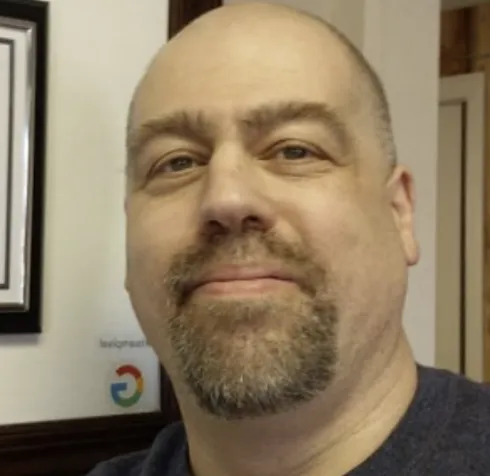
John Sheeley
,
EA
John began his tax career in 1987 and passed the IRS Special Enrollment Exam in 1995. A National Tax Practice Institute fellow and SUNY Oswego graduate, he specializes in taxation for non-resident aliens, U.S. citizens living abroad, S corps, legal marijuana businesses, and cryptocurrency.
John is passionate about giving back to the profession. Every year on Giving Tuesday, Tax Practice Pro offers a free ethics webinar, and its weekly Tax Update webinars keep tax professionals informed on the latest developments. These programs combine practical guidance, strategies, and insights to help practitioners work smarter, faster, and with confidence.
Whether you’re just starting your career or expanding an established practice, Tax Practice Pro and John Sheeley, EA provide the education, coaching, and community support tax professionals need to succeed.
Recommended Webinars
The Role of Expert Witnesses in Tax Preparation and Tax Controversies
3 Free NY & NJ CLE, CPE and IRS CE/NASBA CPE Credits
Tax Professionals that attend are encouraged to accept a pro bono tax controversy case assignment from NYCLA, an ABA-sponsored Tax Court Pro program or a NY or NJ low-income Tax Clinic.

Leveraging AI, Big Data, IRS Online Services & Emerging Technology for Tax - 2025
4 Free NY & NJ CLE, 4CPE and 4IRS CE/ 4 NASBA CPE Credits
This program delves into the evolving role of artificial intelligence (AI) in the realm of tax controversy. The program covers the use of AI tools for legal research, document automation, and predictive analytics, highlighting their applications in tax dispute resolution. It explores the benefits and challenges of AI-powered eDiscovery, the ethical considerations of AI in legal contexts, and best practices for integrating AI into tax practices. The program reviews the IRS's use of AI for audit selection, taxpayer assistance, and litigation. Lastly, this program addresses bias, privacy, and the ethical implications of AI in tax and legal contexts.
Tax Controversies Involving Entertainers, Performers, and Influencers - 2025
4 Free NY & NJ CLE, CPE and 4 IRS CE/4 NASBA CPE Credits
This detailed program explores the unique tax challenges and considerations faced by entertainers, performers, and influencers. It covers the complexities of income reporting, expense deductions, and compliance issues specific to individuals in the entertainment and social media industries. The program shows how to correctly categorize income, distinguish between business and personal expenses, and apply IRS guidelines to ensure accurate tax reporting. The program also examines recent legal cases, IRS audits, and common pitfalls in the taxation of entertainers and influencers. Lastly, the program provides case studies, and practical examples, to equip tax professionals with the knowledge needed to navigate the intricacies of taxation in the entertainment sector effectively.
Tax Consequences of the Choice of Entity
3 Free NY & NJ CLE, CPE and IRS CE/NASBA CPE Credits
An overview of the tax consequences of choosing a business entity—explaining how structures like sole proprietorships, LLCs, S corporations, and C corporations impact liability, taxation, and long-term financial strategy.
Tax Consequences of the Choice of EntityDon’t Hate the Player, Hate the Gain: Gaming 1202 QSBS
2 IRS CE/2 CTEC/2 NASBA CPE
An overview of Section 1202 Qualified Small Business Stock (QSBS) rules, highlighting federal capital gains exclusions, eligibility requirements, and key updates under the One, Big, Beautiful Bill.
Don’t Hate the Player, Hate the Gain: Gaming 1202 QSBSCalifornia and The SB 711 Conformity Expansion Explained
An overview of California’s SB 711 Conformity Expansion, explaining how the law aligns state tax provisions with federal changes and what it means for businesses and taxpayers.
California and The SB 711 Conformity Expansion ExplainedR&D Credits 2025: New IRS Forms, New Rules, New Risks
2 IRS CE/2 CTEC/2 NASBA CPE
An overview of the 2025 updates to R&D tax credits, covering new IRS forms, revised compliance requirements, and emerging risks businesses need to understand before claiming the credit.
R&D Credits 2025: New IRS Forms, New Rules, New RisksFREE Ethics CE Webinar: Bill & Ted’s Most Excellent AI Ethics Adventure
2 IRS CE Ethics/2 CTEC Ethics/2 NASBA CPE Ethics**
Join John Sheeley, EA and Tax Practice Pro for our annual FREE ethics program — a tradition designed to give back to the tax community every Giving Tuesday. This year’s program takes a fun, insightful journey through the ethical challenges of using artificial intelligence in modern tax practice, inspired by the classic “Bill & Ted” films.
FREE Ethics CE Webinar: Bill & Ted’s Most Excellent AI Ethics AdventureOBBBA Workflow Overhaul: New Pay Stub Rules, Tip & Overtime Tracking, and Organizer Updates
No IRS or CTEC Credit. Only NASBA CPE (2)
A breakdown of the OBBBA workflow overhaul, explaining new pay stub requirements, updated tip and overtime tracking rules, and key changes to tax organizers and compliance processes.
OBBBA Workflow Overhaul: New Pay Stub Rules, Tip & Overtime Tracking, and Organizer UpdatesIs the Solopreneur Business Model Still Valid?
NASBA CPE Field of Study: Business Management & Organization NO IRS/NO CTEC
An analysis of whether the solopreneur model remains viable for solo tax professionals, exploring entity structure, self-employment tax exposure, liability considerations, scalability, and long-term tax planning strategy.
Is the Solopreneur Business Model Still Valid?AI For Research
1 IRS/1 CTEC/1 NASBA CPE
A practical overview of using AI for tax research, including benefits, limitations, compliance risks, and best practices for accuracy, documentation, and professional responsibility.
AI For ResearchFortify Your Office Security with Improvements to Your WISP
2 IRS CE/2 CTEC/2 NASBA CPE
A guide to strengthening your office security through strategic updates to your Written Information Security Plan (WISP), including risk assessments, data safeguards, employee training, and compliance best practices.
Fortify Your Office Security with Improvements to Your WISP
Hmm...nothing here yet.