
Owe No! When the check Won't Cover the Tax Bill
Your client has a 2024 balance due they didn't expect, and can’t pay in full—what now?Don’t let unpaid balances turn into client walk-outs and undue stress.This live webinar equips tax professionals with the tools and strategies to help clients who can’t pay their full tax bill by April 15.You will leave this webinar with skills and strategies designed to get your happy clients to pay for their return and leave without stress or worry about the balance.
What You’ll Learn:
✅ Strategies to encourage the client to file on time when they can't "pay anything now"
✅ Installment Agreements: Short-term vs. long-term payment plans
✅ Offers in Compromise: When settling for less is an option
✅ Currently Not Collectible (CNC) Status: How financial hardship can defer collection
✅ Common Pitfalls & Best Practices: Avoid mistakes that cost clients money
✅ Expert Guidance on IRS Resolution StrategiesDon’t miss this opportunity to level up your expertise and provide invaluable solutions to your clients!
"Our best deal is always to become a monthly subscriber"
*Self-Study recording not available for NASBA CPE credit.
IRS Program #: 7Q3WU-T-00730-25
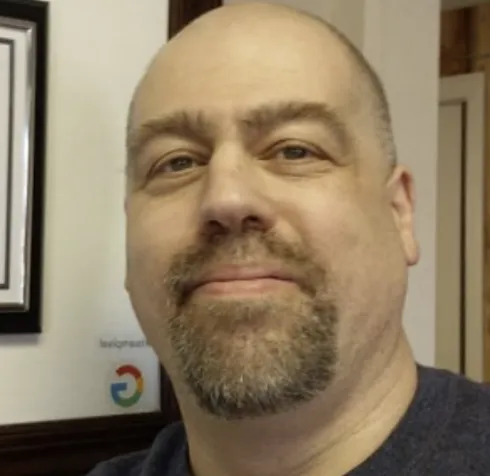
John Sheeley
,
EA
John began his tax career in 1987 and passed the IRS Special Enrollment Exam in 1995. A National Tax Practice Institute fellow and SUNY Oswego graduate, he specializes in taxation for non-resident aliens, U.S. citizens living abroad, S corps, legal marijuana businesses, and cryptocurrency.
John is passionate about giving back to the profession. Every year on Giving Tuesday, Tax Practice Pro offers a free ethics webinar, and its weekly Tax Update webinars keep tax professionals informed on the latest developments. These programs combine practical guidance, strategies, and insights to help practitioners work smarter, faster, and with confidence.
Whether you’re just starting your career or expanding an established practice, Tax Practice Pro and John Sheeley, EA provide the education, coaching, and community support tax professionals need to succeed.
Recommended Webinars
Best Practices for Substantiating Deductions and Proving Entitlement to Losses – Part I
3 Free NY & NJ CLE, CPE and IRS CE/NASBA CPE Credits
Tax Professionals that attend are encouraged to accept a pro bono tax controversy case assignment from NYCLA, an ABA-sponsored Tax Court Pro program or a NY or NJ low-income Tax Clinic.

How to Write a Meaningful Public Comment to the Proposed Circular 230 Regs
1 IRS CE/1 NASBA CPE*
"Our best deal is always to become a monthly subscriber" *Self-Study recording not available for NASBA CPE credit.
Oregon Wants YOU! (Even If You Don’t Want Oregon)
NO CE AVAILABLE FOR THIS PROGRAM
A No-Nonsense Guide to Surviving Oregon’s Tax Preparer Licensing Requirements Are you a tax professional who’s never set foot in Oregon—but suddenly being told you need to register there? Welcome to the Beaver State’s latest regulatory surprise! If you touch a tax return that involves an Oregon filing, the state says you must be licensed—no matter where you live or work. This practical, step-by-step program walks you through the process, from understanding the law to acing the licensing exam. No CE credit, no whining—just clear guidance on how to comply and move on with your life.
Converting a Partnership to S-Corp
2 IRS CE/2 CTEC CE/2 NASBA CPE*
This program explores how a partnership for Federal tax purposes can choose to be treated as an S-Corporation for Federal tax purposes. Among the issues discussed will be the compliance aspects of each step of the process as well as the consequences of the decision. Specific attention will be paid to the real-world application of the code to decision with several examples used to demonstrate the process.
Converting a Partnership to S-Corp754 Elections and Partnerships
2 IRS CE/2 CTEC CE/2 NASBA CPE*
This course provides a comprehensive overview of the §754 election, which allows partnerships to adjust the basis of partnership property upon certain events. This can help the partner reduce their taxable income flowing from the partnership.
754 Elections and PartnershipsFlow Through Entities Series
Varies
TPP’s Pass-Through Entities Webinar Series equips tax professionals with practical guidance on partnership and S corporation taxation, including Forms 1065 and 1120-S preparation, partnership agreement planning, and the tax implications of selling a pass-through business.
Flow Through Entities SeriesFREE: One Big Beautiful Bill: Where We Are & Where We Go From Here
NO CE
"Our best deal is always to become a monthly subscriber" https://www.taxpracticepro.com/join-now *Self-Study recording not available for NASBA CPE credit.
FREE: One Big Beautiful Bill: Where We Are & Where We Go From HereReporting Advanced Rentals
2 IRS CE/2 CTEC/2 NASBA CPE*
"Our best deal is always to become a monthly subscriber" https://www.taxpracticepro.com/join-now *Self-Study recording not available for NASBA CPE credit.
Reporting Advanced RentalsAnnual Tax Considerations for Rentals
2 IRS CE/2 CTEC/2 NASBA CPE*
"Our best deal is always to become a monthly subscriber" *Self-Study recording not available for NASBA CPE credit.
Annual Tax Considerations for RentalsForm 1120-F: Protective Filings, Treaty Claims, and Permanent Establishments
2 IRS CE/2 CTEC/2 NASBA CPE*
Only available for TPP unlimited CE subscribers. "Our best deal is always to become a monthly subscriber" *Self-Study recording not available for NASBA CPE credit.
Form 1120-F: Protective Filings, Treaty Claims, and Permanent EstablishmentsFIRPTA and How it Works – the Basics and Beyond
2 IRS CE/2 CTEC/2 NASBA CPE*
This webinar breaks down the Foreign Investment in Real Property Tax Act (FIRPTA)—from the fundamentals to the finer points tax professionals need to watch for. Whether you’re new to FIRPTA or just need a refresher, this course will equip you with the tools to spot issues early, protect your clients, and avoid costly mistakes. It covers FIRPTA definitions, key forms, and real-world scenarios involving ITIN applications, exemption certificates, and special entity considerations like corporations, trusts, and partnerships. This webinar teaches the tax professional how to help buyers avoid risk through proper affidavits and understand common problems faced by withholding agents. If your client is buying or selling U.S. real estate—and one party is a nonresident—you can’t afford to overlook FIRPTA.
FIRPTA and How it Works – the Basics and BeyondE vs C: Short-Term Rentals - When Does E Become a C?
2 IRS CE/2 CTEC/2 NASBA CPE*
With social media fueling the spread of (often incorrect) tax advice, clients increasingly bring “short-term rental loopholes” and other novel ideas to tax practitioners. Many tax pros find themselves unprepared to address the nuanced distinctions between rental income reported on Schedule E and business income reported on Schedule C. This webinar demystifies these issues by analyzing key court cases, relevant IRC provisions (especially section 469), and the concept of substantial services. It clarifies how to classify short-, mid-, and long-term rentals, how to determine material participation, and, most critically, how to identify when a rental activity crosses the line into an active trade or business.
E vs C: Short-Term Rentals - When Does E Become a C?
Hmm...nothing here yet.