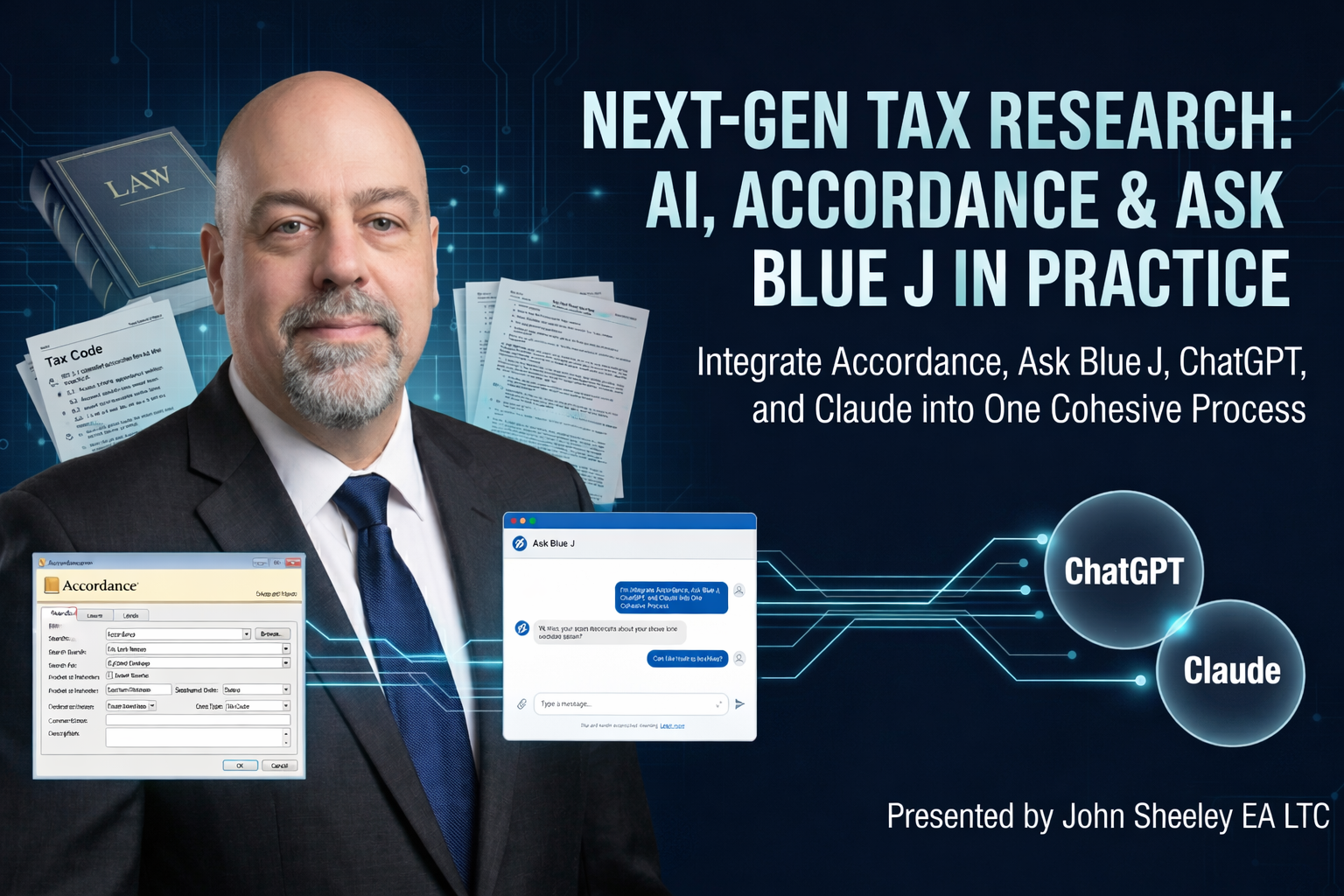
Next-Gen Tax Research: AI, Accordance & Ask Blue J in Practice
Next-Gen Tax Research isn’t about replacing your judgment—it’s about upgrading your workflow.
In this program, we go beyond “just ask ChatGPT” and show you how experienced tax professionals are actually using AI to produce faster, stronger, and more defensible research.
You’ll learn how to integrate Accordance and Ask Blue J with ChatGPT and Claude to create a cohesive, repeatable research process—from the first question to the final, polished answer.
We focus on what matters in practice:
• How to engineer better prompts on the front end so your research starts in the right place
• How to use Accordance and Ask Blue J as authoritative anchors, not just answer generators
• How to leverage ChatGPT and Claude to refine, expand, and stress-test your research
• How to polish AI-generated outputs into professional, client-ready conclusions
• How to identify when AI is wrong—and fix it before it becomes your problem
This program also addresses the real concern every experienced practitioner has:
“How do I use AI without compromising my standards?”
We’ll walk through a practical framework for maintaining accuracy, skepticism, and defensibility while still benefiting from the speed and efficiency of modern AI tools.
By the end of the program, you will have a clear, repeatable system for:
• Moving from question → prompt → authority → analysis → conclusion
• Using paid research tools and generative AI together, not separately
• Producing work that is faster to create, easier to support, and stronger under scrutiny
Because in today’s environment, the advantage doesn’t go to the practitioner who uses AI— It goes to the one who knows how to control it
Learning Objectives
Upon completion of this program, participants will be able to:
1. Identify the key components of an AI-enhanced tax research workflow, including the roles of Accordance, Ask Blue J, ChatGPT, and Claude.
2. Construct effective AI prompts that improve the accuracy and relevance of tax research results.
3. Evaluate AI-generated outputs for accuracy, completeness, and consistency with authoritative tax sources.
4. Integrate AI tools and tax research platforms into a cohesive process that supports efficient and defensible tax conclusions.
5. Analyze risks and limitations of AI-assisted tax research, including ethical considerations and compliance with Circular 230 standards.
"Our best deal is always to become a monthly subscriber"
*Self-Study recording not available for NASBA CPE credit.
IRS Program #: 7Q3WU-T-00892-26
CTEC Course #: 6248-CE-00238
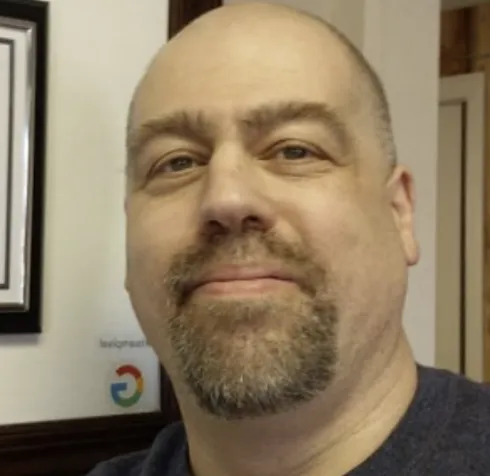
John Sheeley
,
EA
John began his tax career in 1987 and passed the IRS Special Enrollment Exam in 1995. A National Tax Practice Institute fellow and SUNY Oswego graduate, he specializes in taxation for non-resident aliens, U.S. citizens living abroad, S corps, legal marijuana businesses, and cryptocurrency.
John is passionate about giving back to the profession. Every year on Giving Tuesday, Tax Practice Pro offers a free ethics webinar, and its weekly Tax Update webinars keep tax professionals informed on the latest developments. These programs combine practical guidance, strategies, and insights to help practitioners work smarter, faster, and with confidence.
Whether you’re just starting your career or expanding an established practice, Tax Practice Pro and John Sheeley, EA provide the education, coaching, and community support tax professionals need to succeed.
Recommended Webinars
2024 Tax Controversy Seminar Series
Varies
This on-demand webinar series covers criminal tax, IRS collections, international reporting, tax controversies, AI in tax practice, and entertainment industry taxation, equipping professionals with practical strategies for compliance, dispute resolution, and risk management

Free Tax Practice Pro Course Series
Varies
View courses we offer for FREE. Please note some courses may or may not qualify for IRS CE credit. Please view webinar description for more information.
Getting the Tax Office Ready—2025 Series
Varies
Empower yourself with vital tools and knowledge to make the upcoming tax season a breeze. This comprehensive webinar series offers education covering key subjects like engagement letters, cyber security, effective client interviews, how to review tax returns and of course the latest on BOI reporting! Master the art of modernizing your tax practice through automation and the use of AI.
Federal Tax Update Part 1—2025
3 IRS CE/3 CTEC/3 NASBA CPE
This webinar delivers the first half of the 2025 federal tax update, highlighting key changes, guidance, and developments tax professionals need to prepare for the upcoming filing season.
Federal Tax Update Part 1—2025Tax Consequences of the Choice of Entity
3 Free NY & NJ CLE, CPE and IRS CE/NASBA CPE Credits
An overview of the tax consequences of choosing a business entity—explaining how structures like sole proprietorships, LLCs, S corporations, and C corporations impact liability, taxation, and long-term financial strategy.
Tax Consequences of the Choice of EntityDon’t Hate the Player, Hate the Gain: Gaming 1202 QSBS
2 IRS CE/2 CTEC/2 NASBA CPE
An overview of Section 1202 Qualified Small Business Stock (QSBS) rules, highlighting federal capital gains exclusions, eligibility requirements, and key updates under the One, Big, Beautiful Bill.
Don’t Hate the Player, Hate the Gain: Gaming 1202 QSBSCalifornia and The SB 711 Conformity Expansion Explained
An overview of California’s SB 711 Conformity Expansion, explaining how the law aligns state tax provisions with federal changes and what it means for businesses and taxpayers.
California and The SB 711 Conformity Expansion ExplainedR&D Credits 2025: New IRS Forms, New Rules, New Risks
2 IRS CE/2 CTEC/2 NASBA CPE
An overview of the 2025 updates to R&D tax credits, covering new IRS forms, revised compliance requirements, and emerging risks businesses need to understand before claiming the credit.
R&D Credits 2025: New IRS Forms, New Rules, New RisksFREE Ethics CE Webinar: Bill & Ted’s Most Excellent AI Ethics Adventure
2 IRS CE Ethics/2 CTEC Ethics/2 NASBA CPE Ethics**
Join John Sheeley, EA and Tax Practice Pro for our annual FREE ethics program — a tradition designed to give back to the tax community every Giving Tuesday. This year’s program takes a fun, insightful journey through the ethical challenges of using artificial intelligence in modern tax practice, inspired by the classic “Bill & Ted” films.
FREE Ethics CE Webinar: Bill & Ted’s Most Excellent AI Ethics AdventureOBBBA Workflow Overhaul: New Pay Stub Rules, Tip & Overtime Tracking, and Organizer Updates
No IRS or CTEC Credit. Only NASBA CPE (2)
A breakdown of the OBBBA workflow overhaul, explaining new pay stub requirements, updated tip and overtime tracking rules, and key changes to tax organizers and compliance processes.
OBBBA Workflow Overhaul: New Pay Stub Rules, Tip & Overtime Tracking, and Organizer UpdatesIs the Solopreneur Business Model Still Valid?
NASBA CPE Field of Study: Business Management & Organization NO IRS/NO CTEC
An analysis of whether the solopreneur model remains viable for solo tax professionals, exploring entity structure, self-employment tax exposure, liability considerations, scalability, and long-term tax planning strategy.
Is the Solopreneur Business Model Still Valid?
Hmm...nothing here yet.