
March Madness: Is this the FINAL BOI deadline?
FinCEN Says March 21 is the Deadline... But Will It Stick? If you've been following the rollercoaster that is Beneficial Ownership Information (BOI) reporting, you know the rules have changed, delayed, and litigated their way into the compliance nightmares of tax professionals everywhere. But now, FinCEN has spoken: March 21, 2025, is the due date for most filers. With everything that's happened—court challenges, enforcement uncertainty, and plenty of taxpayer confusion—how confident are you that this will be the final deadline? More importantly, are your clients ready to comply?
In this fast-paced, no-fluff webinar, we’ll cut through the legalese and get straight to what tax professionals need to know:
✅ Who Needs to File? Understanding entity structures, exemptions, and potential "surprise" filers.
✅ What Needs to Be Reported? Beneficial ownership details, filing mechanics, and required updates.
✅ What Happens if You Ignore This? Penalties, FinCEN enforcement trends, and how this ties into IRS compliance.
✅ How Can You Help Clients NOW? Best practices for advising business owners before they get hit with fines.
Why You Need This Program:
Many tax professionals assume BOI reporting is just another business entity compliance matter—until their clients start asking questions, they don’t know the answers to. Unlike an annual tax return, this is a one-time federal filing that falls under FinCEN (not the IRS). That means many of your business clients may be caught off guard, and you’ll be their first call when they hear about it.With March 21 looming, this session will equip you with everything you need to help clients stay compliant—without getting tangled in misinformation or missing critical details.Don’t get blindsided. Join us for a practical, engaging breakdown of BOI rules and make sure you and your clients are ahead of the deadline.
"Our best deal is always to become a monthly subscriber"
*Self-Study recording not available for NASBA CPE credit.
IRS Program #: 7Q3WU-T-00727-25
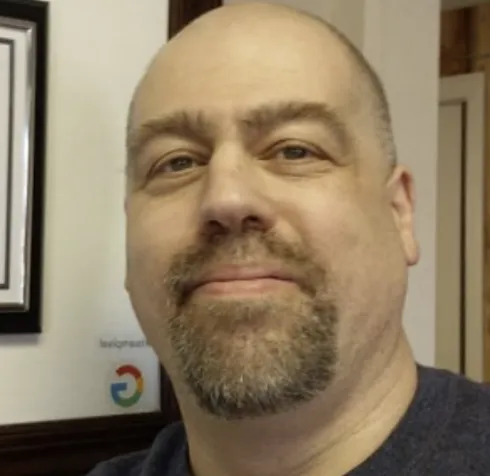
John Sheeley
,
EA
John began his tax career in 1987 and passed the IRS Special Enrollment Exam in 1995. A National Tax Practice Institute fellow and SUNY Oswego graduate, he specializes in taxation for non-resident aliens, U.S. citizens living abroad, S corps, legal marijuana businesses, and cryptocurrency.
John is passionate about giving back to the profession. Every year on Giving Tuesday, Tax Practice Pro offers a free ethics webinar, and its weekly Tax Update webinars keep tax professionals informed on the latest developments. These programs combine practical guidance, strategies, and insights to help practitioners work smarter, faster, and with confidence.
Whether you’re just starting your career or expanding an established practice, Tax Practice Pro and John Sheeley, EA provide the education, coaching, and community support tax professionals need to succeed.
Recommended Webinars
March Madness: Is this the FINAL BOI deadline?
1 IRS CE/1 NASBA CPE*
FinCEN Says March 21 is the Deadline... But Will It Stick? If you've been following the rollercoaster that is Beneficial Ownership Information (BOI) reporting, you know the rules have changed, delayed, and litigated their way into the compliance nightmares of tax professionals everywhere. But now, FinCEN has spoken: March 21, 2025, is the due date for most filers. With everything that's happened—court challenges, enforcement uncertainty, and plenty of taxpayer confusion—how confident are you that this will be the final deadline? More importantly, are your clients ready to comply?

Stock Options: ISOs, ESPP, NSOs, RSUs, RSAs, and elections
2 IRS CE/2 CTEC/2 NASBA CPE
"Our best deal is always to become a monthly subscriber" *Self-Study recording not available for NASBA CPE credit.
Stock Options: ISOs, ESPP, NSOs, RSUs, RSAs, and electionsTo Elect or Not to Elect: That is the Entity Classification Question
2 IRS CE/2 NASBA CPE*
"Our best deal is always to become a monthly subscriber" *Self-Study recording not available for NASBA CPE credit.
To Elect or Not to Elect: That is the Entity Classification QuestionIntermediate and Advanced Investments
2 IRS CE/2 CTEC/2 NASBA CPE
As investment strategies become more sophisticated, tax professionals must navigate increasingly complex reporting rules. This webinar explores advanced investment vehicles and their corresponding tax implications, including option contracts (puts and calls), foreign currency trading, exchange-traded funds (ETFs), and emerging assets such as Bitcoin, cryptocurrency, and other digital assets. It examines the critical distinctions between traders and investors, methods for determining basis in diverse asset classes, and the rules for reporting trades, sales, and associated net investment income tax (NIIT). This webinar equips practitioners to address client questions, ensure compliance, and reduce the risk of IRS scrutiny in an evolving investment landscape. "Our best deal is always to become a monthly subscriber" *Self-Study recording not available for NASBA CPE credit.
Intermediate and Advanced InvestmentsI’m Tax-Exempt ... Why Complexity and What’s Form 990?
2 IRS CE/2 CTEC/2 NASBA CPE
Join Michael as he addresses the various concepts and rules surrounding the use of tax-exempt organizations. He will discuss the unique federal income tax rules associated with such organizations, including IRC §501(c)(3. He will also provide a comprehensive review of Form 990 EZ and related schedules. We also highlight the various 990 series filings, employment issues, unrelated business income and how to perfect a charitable contribution from the tax-exempt organization point of view. This program is an opportunity for the participant to expand their understanding of tax-exempt organizations. In closing, Michael will discuss some of the tax planning experiences using tax-exempt organizations. *Self-Study recording not available for NASBA CPE credit.
I’m Tax-Exempt ... Why Complexity and What’s Form 990?Small Business Retirement Plans
2 IRS CE/2 CTEC/2 NASBA CPE
This program provides an in-depth overview of retirement plan options available to small business owners, including IRA-based plans (Traditional, Roth, SEP, and SIMPLE), §401(k) plans (Solo, SIMPLE, Safe Harbor, and Traditional), and defined benefit arrangements. It discusses the advantages and limitations of each plan type, funding and contribution rules, catch-up provisions under SECURE 2.0, and the tax benefits to both employers and employees. The program also covers practical steps in establishing, operating, and terminating plans, as well as tax credits (Form 8881) available to qualifying small employers. *Self-Study recording not available for NASBA CPE credit.
Small Business Retirement PlansMeet Form 1-A: The IRS Just Changed the Game
1 IRS CE/1 CTEC/1 NASBA CPE
*Self-Study recording not available for NASBA CPE credit.
Meet Form 1-A: The IRS Just Changed the GameFundamentals of PTET
1 IRS CE/1 CTEC/1 NASBA CPE
"Our best deal is always to become a monthly subscriber" *Self-Study recording not available for NASBA CPE credit.
Fundamentals of PTETSocial Security Fairness Act and IRMAA
2 IRS CE/2 CTEC/2 NASBA CPE
Did you know your client's Adjusted Gross Income can affect how much they pay for Medicare premiums? You will certainly get an earful from your client when they find out their Medicare premiums are going up. Is there anything you can do about it? This is called the Income-Related Monthly Adjustment Amount (IRMAA). We will review how IRMAA is computed and what we can do to help our clients manage their IRMAA amount. We will start with a bonus topic of the Social Security Fairness Act which was passed in January, 2025 which may affect some of your clients who can get retroactive Social Security benefits all the way back to 2024.
Social Security Fairness Act and IRMAANEW YORK PRACTITIONER LIAISON MEETING: OBBB, ONLINE ACCOUNTS, AND ONLINE TAX SCAMS
3 Free NY & NJ CLE, 3 IRS CE/3NASBA CPE Credits
Hybrid Event Tax Professionals that attend are encouraged to accept a pro bono tax controversy case assignment from NYCLA, an ABA-sponsored Tax Court Pro program or a NY or NJ low-income Tax Clinic.
NEW YORK PRACTITIONER LIAISON MEETING: OBBB, ONLINE ACCOUNTS, AND ONLINE TAX SCAMS
Hmm...nothing here yet.