
Liquidating C & S Corporations
This course provides an in-depth analysis of the tax implications involved with the liquidation of C and S Corporations. Topics covered will include the tax consequences of liquidation both the corporation and its shareholders during the liquidation. We will review the differences in tax implications between C and S corporations. There will be an analysis of corporate level and shareholder level taxes, including built-in gains for S corporations. We will review tax-efficient liquidation strategies to minimize tax liabilities.
"Our best deal is always to become a monthly subscriber"
*Self-Study recording not available for NASBA CPE credit.
IRS Program #: 7Q3WU-T-00757-25
CTEC Course #: 6248-CE-00126
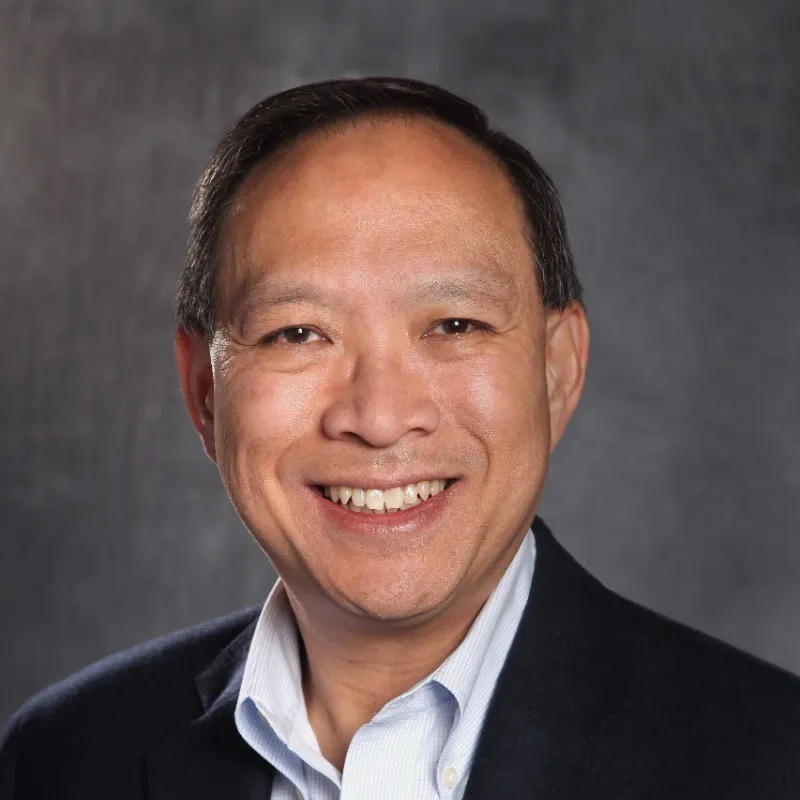
Larry Pon
,
CPA/PFS, CFP, EA, USTCP, AEP
Larry has been a tax professional since 1986 with a tax planning, preparation, and representation practice in Redwood Shores, CA. Larry enjoys speaking about tax to tax and financial planning professionals. Larry received his BS in Business Administration with emphases in Accounting and Finance from UC Berkeley and MS in Taxation from Golden Gate University.
Recommended Webinars
Entities & Partnerships Series
25 IRS/NASBA CPE Credits Available
TPP’s Partnership & S Corporation Tax Series provides 25+ IRS/NASBA CPE credits with in-depth training on Form 1065 and 1120-S preparation, partnership basis and capital accounts, Section 754 and 751 issues, BBA compliance, S corporation reasonable compensation, liquidations, reorganizations, and advanced pass-through taxation strategies.

Planning Season Series
Varies
Tax Practice Pro’s 2024 Trusts & Estates Webinar Series provides tax professionals with on-demand, IRS CE-approved training on estate planning, retirement strategies, entity selection, energy credits, client-specific tax planning, and common compliance issues, offering practical guidance to maximize client outcomes.
Flow Through You: Master the Intricacies of Partnerships and S Corporations
Varies
An enlightening series of programs dedicated to navigating the complexities of partnerships and S corporations. Our theme, "Flow Through You," encapsulates the seamless transition of knowledge and strategies you'll gain from these expert-led sessions.
Tax Consequences of the Choice of Entity
3 Free NY & NJ CLE, CPE and IRS CE/NASBA CPE Credits
An overview of the tax consequences of choosing a business entity—explaining how structures like sole proprietorships, LLCs, S corporations, and C corporations impact liability, taxation, and long-term financial strategy.
Tax Consequences of the Choice of EntityDon’t Hate the Player, Hate the Gain: Gaming 1202 QSBS
2 IRS CE/2 CTEC/2 NASBA CPE
An overview of Section 1202 Qualified Small Business Stock (QSBS) rules, highlighting federal capital gains exclusions, eligibility requirements, and key updates under the One, Big, Beautiful Bill.
Don’t Hate the Player, Hate the Gain: Gaming 1202 QSBSCalifornia and The SB 711 Conformity Expansion Explained
An overview of California’s SB 711 Conformity Expansion, explaining how the law aligns state tax provisions with federal changes and what it means for businesses and taxpayers.
California and The SB 711 Conformity Expansion ExplainedR&D Credits 2025: New IRS Forms, New Rules, New Risks
2 IRS CE/2 CTEC/2 NASBA CPE
An overview of the 2025 updates to R&D tax credits, covering new IRS forms, revised compliance requirements, and emerging risks businesses need to understand before claiming the credit.
R&D Credits 2025: New IRS Forms, New Rules, New RisksFREE Ethics CE Webinar: Bill & Ted’s Most Excellent AI Ethics Adventure
2 IRS CE Ethics/2 CTEC Ethics/2 NASBA CPE Ethics**
Join John Sheeley, EA and Tax Practice Pro for our annual FREE ethics program — a tradition designed to give back to the tax community every Giving Tuesday. This year’s program takes a fun, insightful journey through the ethical challenges of using artificial intelligence in modern tax practice, inspired by the classic “Bill & Ted” films.
FREE Ethics CE Webinar: Bill & Ted’s Most Excellent AI Ethics AdventureOBBBA Workflow Overhaul: New Pay Stub Rules, Tip & Overtime Tracking, and Organizer Updates
No IRS or CTEC Credit. Only NASBA CPE (2)
A breakdown of the OBBBA workflow overhaul, explaining new pay stub requirements, updated tip and overtime tracking rules, and key changes to tax organizers and compliance processes.
OBBBA Workflow Overhaul: New Pay Stub Rules, Tip & Overtime Tracking, and Organizer UpdatesIs the Solopreneur Business Model Still Valid?
NASBA CPE Field of Study: Business Management & Organization NO IRS/NO CTEC
An analysis of whether the solopreneur model remains viable for solo tax professionals, exploring entity structure, self-employment tax exposure, liability considerations, scalability, and long-term tax planning strategy.
Is the Solopreneur Business Model Still Valid?AI For Research
1 IRS/1 CTEC/1 NASBA CPE
A practical overview of using AI for tax research, including benefits, limitations, compliance risks, and best practices for accuracy, documentation, and professional responsibility.
AI For ResearchFortify Your Office Security with Improvements to Your WISP
2 IRS CE/2 CTEC/2 NASBA CPE
A guide to strengthening your office security through strategic updates to your Written Information Security Plan (WISP), including risk assessments, data safeguards, employee training, and compliance best practices.
Fortify Your Office Security with Improvements to Your WISP
Hmm...nothing here yet.