
K-1 Losses: Form 6198, Basis & At-Risk
"Our best deal is always to become a monthly subscriber"
*Self-Study recording not available for NASBA CPE credit.
IRS Program #: 7Q3WU-T-00765-25
CTEC Course #: 6248-CE-00135
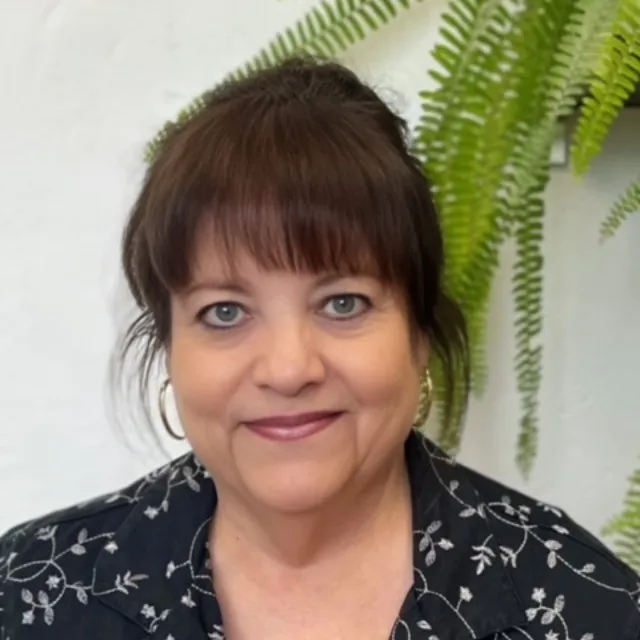
Jane Ryder
,
EA, CPA
Jane Ryder, EA, CPA is a national speaker on many accounting, tax, and business compliance topics. She runs her CPA firm, Brass Tax Ryder Professional Group, Inc.in San Diego, California. Brass Tax (not affiliated with Brass Tax Presentations) has been providing tax and accounting services since 1980.Brass Tax is a business centric practice, preparing and consulting on the preparation of Corporations, S corporations, LLCs, Partnerships, and Trusts. She also specializes in IRS and state agencies collections, audit appeals, offers in compromise, and other compliance related matters.
Recommended Webinars
K-1 & K-3 to Form 1040
2 IRS CE/2 CTEC CE/2 NASBA CPE*
"Our best deal is always to become a monthly subscriber" *Self-Study recording not available for NASBA CPE credit.

Liquidating Partnerships
2 IRS CE/2 CTEC CE/2 NASBA CPE*
This course provides a detailed exploration of the tax rules, procedures, and planning strategies involved in the liquidation of partnerships, including LLCs taxed as partnerships. Topics include the tax implications of liquidation for both the partnership and its partners during liquidation. We will review the distribution rules regarding current vs. liquidating distributions and their tax consequences. We will also explore tax-efficient strategies for liquidating partnerships and timing considerations and structuring options.
Converting a Partnership to S-Corp
2 IRS CE/2 CTEC CE/2 NASBA CPE*
This program explores how a partnership for Federal tax purposes can choose to be treated as an S-Corporation for Federal tax purposes. Among the issues discussed will be the compliance aspects of each step of the process as well as the consequences of the decision. Specific attention will be paid to the real-world application of the code to decision with several examples used to demonstrate the process.
Converting a Partnership to S-Corp754 Elections and Partnerships
2 IRS CE/2 CTEC CE/2 NASBA CPE*
This course provides a comprehensive overview of the §754 election, which allows partnerships to adjust the basis of partnership property upon certain events. This can help the partner reduce their taxable income flowing from the partnership.
754 Elections and PartnershipsFlow Through Entities Series
Varies
TPP’s Pass-Through Entities Webinar Series equips tax professionals with practical guidance on partnership and S corporation taxation, including Forms 1065 and 1120-S preparation, partnership agreement planning, and the tax implications of selling a pass-through business.
Flow Through Entities SeriesFREE: One Big Beautiful Bill: Where We Are & Where We Go From Here
NO CE
"Our best deal is always to become a monthly subscriber" https://www.taxpracticepro.com/join-now *Self-Study recording not available for NASBA CPE credit.
FREE: One Big Beautiful Bill: Where We Are & Where We Go From HereReporting Advanced Rentals
2 IRS CE/2 CTEC/2 NASBA CPE*
"Our best deal is always to become a monthly subscriber" https://www.taxpracticepro.com/join-now *Self-Study recording not available for NASBA CPE credit.
Reporting Advanced RentalsAnnual Tax Considerations for Rentals
2 IRS CE/2 CTEC/2 NASBA CPE*
"Our best deal is always to become a monthly subscriber" *Self-Study recording not available for NASBA CPE credit.
Annual Tax Considerations for RentalsForm 1120-F: Protective Filings, Treaty Claims, and Permanent Establishments
2 IRS CE/2 CTEC/2 NASBA CPE*
Only available for TPP unlimited CE subscribers. "Our best deal is always to become a monthly subscriber" *Self-Study recording not available for NASBA CPE credit.
Form 1120-F: Protective Filings, Treaty Claims, and Permanent EstablishmentsFIRPTA and How it Works – the Basics and Beyond
2 IRS CE/2 CTEC/2 NASBA CPE*
This webinar breaks down the Foreign Investment in Real Property Tax Act (FIRPTA)—from the fundamentals to the finer points tax professionals need to watch for. Whether you’re new to FIRPTA or just need a refresher, this course will equip you with the tools to spot issues early, protect your clients, and avoid costly mistakes. It covers FIRPTA definitions, key forms, and real-world scenarios involving ITIN applications, exemption certificates, and special entity considerations like corporations, trusts, and partnerships. This webinar teaches the tax professional how to help buyers avoid risk through proper affidavits and understand common problems faced by withholding agents. If your client is buying or selling U.S. real estate—and one party is a nonresident—you can’t afford to overlook FIRPTA.
FIRPTA and How it Works – the Basics and BeyondE vs C: Short-Term Rentals - When Does E Become a C?
2 IRS CE/2 CTEC/2 NASBA CPE*
With social media fueling the spread of (often incorrect) tax advice, clients increasingly bring “short-term rental loopholes” and other novel ideas to tax practitioners. Many tax pros find themselves unprepared to address the nuanced distinctions between rental income reported on Schedule E and business income reported on Schedule C. This webinar demystifies these issues by analyzing key court cases, relevant IRC provisions (especially section 469), and the concept of substantial services. It clarifies how to classify short-, mid-, and long-term rentals, how to determine material participation, and, most critically, how to identify when a rental activity crosses the line into an active trade or business.
E vs C: Short-Term Rentals - When Does E Become a C?
Hmm...nothing here yet.