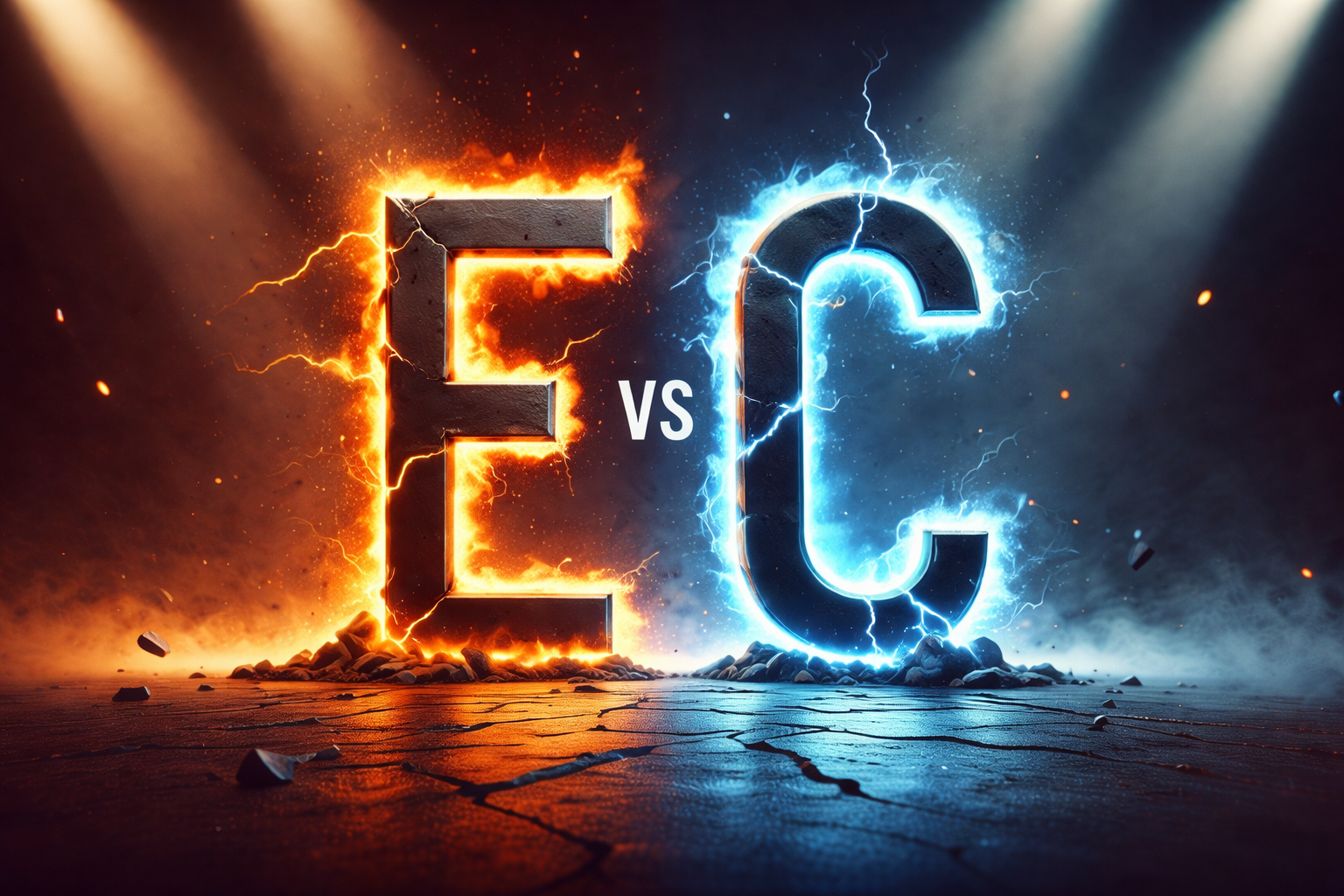
E vs C: Short-Term Rentals - When Does E Become a C?
With social media fueling the spread of (often incorrect) tax advice, clients increasingly bring “short-term rental loopholes” and other novel ideas to tax practitioners. Many tax pros find themselves unprepared to address the nuanced distinctions between rental income reported on Schedule E and business income reported on Schedule C. This webinar demystifies these issues by analyzing key court cases, relevant IRC provisions (especially section 469), and the concept of substantial services. It clarifies how to classify short-, mid-, and long-term rentals, how to determine material participation, and, most critically, how to identify when a rental activity crosses the line into an active trade or business.
"Our best deal is always to become a monthly subscriber"
https://www.taxpracticepro.com/join-now
*Self-Study recording not available for NASBA CPE credit.
IRS Program #: 7Q3WU-T-00742-25
CTEC Course #: 6248-CE-00113

Jared Foos
,
EA
Jared Foos has been a tax preparer for over 12 years and an enrolled agent with the IRS since 2018. He is the owner of Foos-Garvin Accounting, Inc. and serves in various tax affiliated associations. Mr. Foos is an instructor for many educational associations including NATP and OSU.
Recommended Webinars
Oh, Those Crazy Landlords!
2 IRS CE/2 CTEC/2 NASBA CPE*
Join us for an engaging and informative webinar exploring the challenges and opportunities tax preparers face when working with clients who own rental properties. This program will provide a comprehensive overview of key tax forms, including Form 1040, Schedule E (Page 1) - Supplemental Income and Loss from rental real estate, and Form 8825 - Rental Real Estate Income and Expenses of a Partnership or an S Corporation. Gain valuable insights, practical tips, and expert guidance to confidently navigate rental property taxation for your clients.

199A - Is a Rental a Trade or Business?
1 IRS CE/1 CTEC/1 NASBA CPE*
The Tax Cuts and Jobs Act introduced the Qualified Business Income (QBI) deduction under IRC §199A, creating powerful tax savings for qualifying trades and businesses. But what about rental real estate? This course explores one of the most nuanced areas in modern tax law—when and how rental activities qualify as a trade or business for purposes of the §199A deduction. Through detailed analysis of statutory language, court decisions, and IRS guidance (including Rev. Proc. 2019-38), participants will learn to assess whether rental activities rise to the level of a trade or business under IRC §162. We will break down the safe harbor rules, examine case law, and explore various scenarios including triple-net leases, single-property landlords, and self-rentals. This course offers practitioners the tools to perform due diligence, evaluate facts and circumstances, and properly document their conclusions.
E vs C: Short-Term Rentals - When Does E Become a C?
2 IRS CE/2 CTEC/2 NASBA CPE*
With social media fueling the spread of (often incorrect) tax advice, clients increasingly bring “short-term rental loopholes” and other novel ideas to tax practitioners. Many tax pros find themselves unprepared to address the nuanced distinctions between rental income reported on Schedule E and business income reported on Schedule C. This webinar demystifies these issues by analyzing key court cases, relevant IRC provisions (especially section 469), and the concept of substantial services. It clarifies how to classify short-, mid-, and long-term rentals, how to determine material participation, and, most critically, how to identify when a rental activity crosses the line into an active trade or business.
Setting up MFA for Everything: A Practical How-to
1 IRS CE/1 NASBA CPE*
Join us for the second webinar in our "2025 Tax Office Cyber Security Series", designed to help accounting and tax firms enhance their security posture and protect their sensitive data. Don’t miss this opportunity to lay the groundwork for better security and peace of mind! The webinar is only available to monthly subscribers.
Setting up MFA for Everything: A Practical How-toBest Practices for Substantiating Deductions and Proving Entitlement to Losses – Part II
2 Free NY & NJ CLE, CPE and IRS CE/NASBA CPE Credits
Tax Professionals that attend are encouraged to accept a pro bono tax controversy case assignment from NYCLA, an ABA-sponsored Tax Court Pro program or a NY or NJ low-income Tax Clinic.
Best Practices for Substantiating Deductions and Proving Entitlement to Losses – Part IINAVIGATING THE BBA PARTNERSHIP AUDIT REGIME: FROM RETURN PREPARATION TO LITIGATION
2 Free NY & NJ CLE, CPE and IRS CE/NASBA CPE Credits
Tax Professionals that attend are encouraged to accept a pro bono tax controversy case assignment from NYCLA, an ABA-sponsored Tax Court Pro program or a NY or NJ low-income Tax Clinic.
NAVIGATING THE BBA PARTNERSHIP AUDIT REGIME: FROM RETURN PREPARATION TO LITIGATIONOregon Wants YOU! (Even If You Don’t Want Oregon)
NO CE AVAILABLE FOR THIS PROGRAM
A No-Nonsense Guide to Surviving Oregon’s Tax Preparer Licensing Requirements Are you a tax professional who’s never set foot in Oregon—but suddenly being told you need to register there? Welcome to the Beaver State’s latest regulatory surprise! If you touch a tax return that involves an Oregon filing, the state says you must be licensed—no matter where you live or work. This practical, step-by-step program walks you through the process, from understanding the law to acing the licensing exam. No CE credit, no whining—just clear guidance on how to comply and move on with your life.
Oregon Wants YOU! (Even If You Don’t Want Oregon)S Corp Shareholder Basis & Form 7203
2 IRS CE/2 NASBA CPE*
"Our best deal is always to become a monthly subscriber" *Self-Study recording not available for NASBA CPE credit.
S Corp Shareholder Basis & Form 7203Partner Basis and New IRS Form 7217
2 IRS CE/2 NASBA CPE*
Do you know your client's basis in their partnership interest? Do you get the usual blank stare from a new client when you ask them for their basis in their partnership interest? The IRS has opened a whole new office to audit partner basis with a team of specially trained auditors. It is the partner's responsibility to maintain their partnership basis, not the partnership's responsibility. It is not their capital account! We will review how basis is calculated for partners. The IRS just issued Form 7217 for partners who receive noncash distributions from their partnership. We will review how basis is allocated for property that is distributed to the partner. The IRS is focusing on partner basis in their audits since losses cannot be claimed when basis goes to zero.
Partner Basis and New IRS Form 7217Claiming the Energy Credits and the Business Vehicle
2 IRS CE/2 NASBA CPE*
This program examines the use of the Commercial Clean Vehicle Credit and the Clean Vehicle Credit when the vehicle has a business use component.
Claiming the Energy Credits and the Business VehicleThere’s a Lid for Every Pot—What Every Tax Pro Should Know About ‘Simple’ Returns
1 IRS CE/1 NASBA CPE*
This course explores some of the statutory and regulatory return preparation requirements to which a tax professional is subjected without respect to the perceived skill level necessary to complete a return. In addition, the course frames alternatives available to taxpayers with simpler returns (various free/low-cost tax return preparation options). Finally, it explores hazards to which supposedly simple returns expose a tax professional and reminds tax professionals of the value that even “simple” return preparation provides clients.
There’s a Lid for Every Pot—What Every Tax Pro Should Know About ‘Simple’ Returns
Hmm...nothing here yet.